 By admin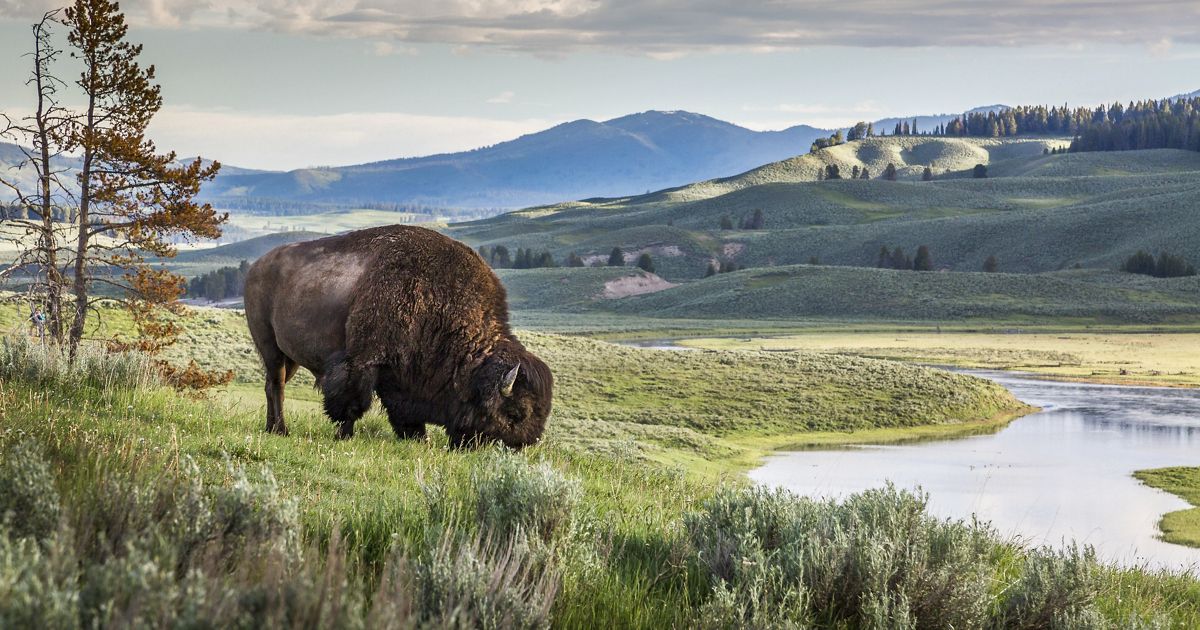
Nestled across Wyoming, Montana, and Idaho, Yellowstone National Park stands as the world’s first national park and a testament to Earth’s raw, untamed power. As you step into its boundaries, you’re greeted by a landscape where geothermal forces paint the land in vivid hues. The iconic Old Faithful erupts like clockwork, sending a 185-foot jet of steam and water into the sky, drawing gasps from crowds gathered at the viewing platforms. Nearby, the Grand Prismatic Spring shimmers with rainbow colors—deep blues at its center fading into oranges, yellows, and reds along its edges—caused by heat-loving bacteria that thrive in its scalding waters.
Venture beyond the geysers, and you’ll find yourself surrounded by lush forests, crystal-clear lakes, and roaming wildlife. Bison graze lazily in meadows, their massive frames a reminder of the park’s prehistoric roots, while elk bugle during mating season, their calls echoing through the valleys. Hike the trails to the Grand Canyon of the Yellowstone, where the Yellowstone River carves through golden-hued cliffs, creating waterfalls that plunge into the depths below. As night falls, the park transforms into a stargazer’s paradise, with minimal light pollution revealing a sky dotted with millions of stars and the faint glow of the Milky Way.
- Preparation before departure: Book campsites or hotels in Yellowstone Lake or West Yellowstone in advance through the official website. Rooms are tight during the peak season (June-August), so it is recommended to book 3-6 months in advance; carry a windproof and warm coat, as the temperature difference between day and night in the mountains is large, and there may be snow even in summer.
- Trip planning: It is forbidden to leave the trail in the geothermal area to avoid being scalded by high-temperature steam or falling into mud; if you go to the Yellowstone Grand Canyon, you can combine it with the Yellowstone River rafting project and contact a formal travel agency in advance for booking.
- Experience optimization: Go to the Grand Prismatic Spring at sunrise, when the low-angle sunlight can capture the most vivid color layers; when stargazing, carry a red light headlamp to avoid damaging your night vision.
Hi, this is a comment.
To get started with moderating, editing, and deleting comments, please visit the Comments screen in the dashboard.
Commenter avatars come from Gravatar.